Your Complete Guide to Valet Service Houston: Benefits, Costs, and Choosing the Right Provider

Updated: Oct 14
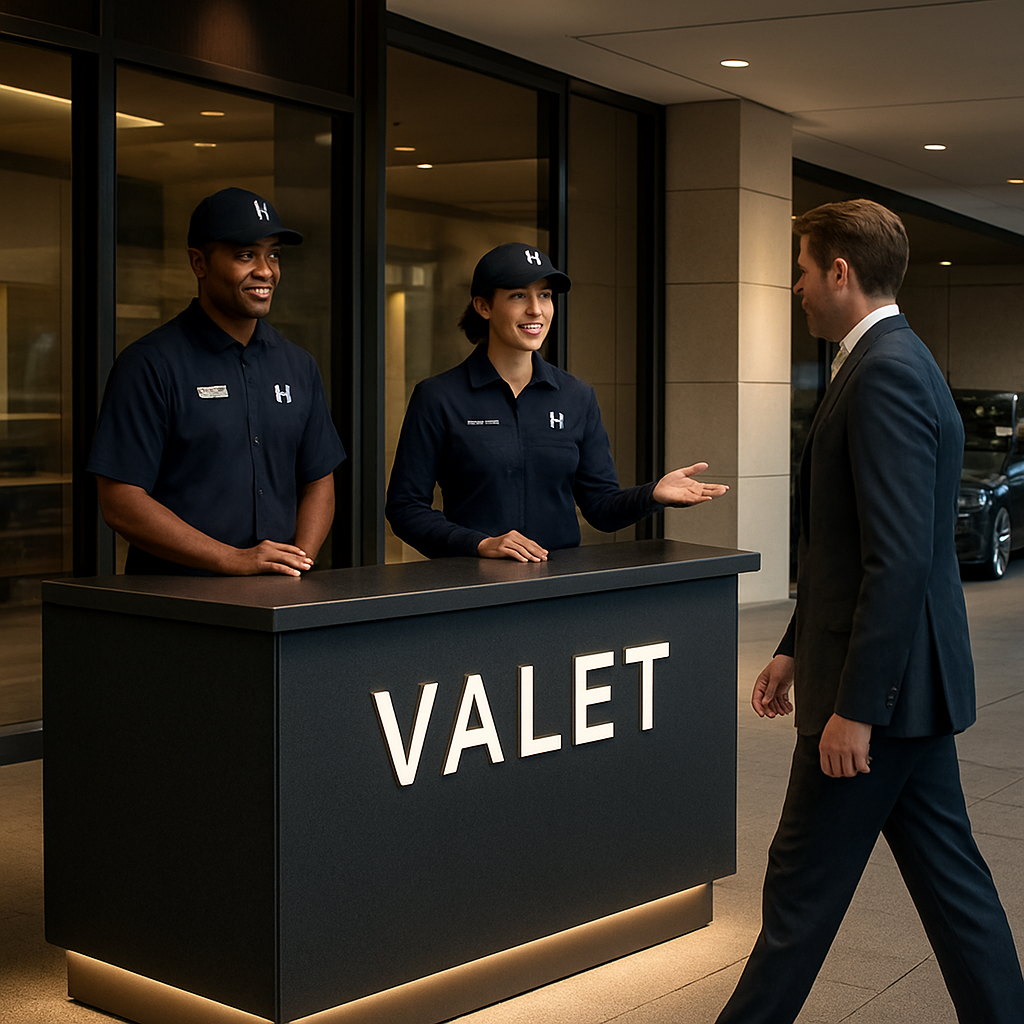
Ever walked into a bustling Houston venue and wondered how the guests seem to glide straight to the door without a parking nightmare? That's the magic of a well‑run valet service, and if you’ve ever wrestled with tight parking strips at a hotel or a downtown restaurant, you know the relief is priceless.
In our experience serving property managers of apartments, event planners, and hotel owners, the first thing we ask is: “What’s the biggest parking headache you face today?” For a luxury condo on the Heights, it might be the endless line of cars during the evening rush; for a corporate conference at the George R. Brown Convention Center, it’s keeping VIP arrivals smooth and on schedule. By pinpointing that pain point, you can tailor the valet flow to match the venue’s rhythm.
Here’s a quick snapshot of how a typical Houston valet operation breaks down:
Pre‑event staffing plan – calculate attendants based on expected vehicle count (a rule of thumb: one attendant per 30 cars).
Dedicated entry lanes – separate guest drop‑off from staff and delivery traffic.
Real‑time communication – radios or a simple app to alert attendants of arriving rides.
Safety checks – inspect brakes, verify permits, and secure valuables before handing keys back.
Picture this: an upscale restaurant in River Oaks launches a weekend brunch series. By adding a valet team that opens two lanes at the front, they cut average wait time from 12 minutes to under 4, and guest satisfaction scores jump 18% in the next month. That kind of ROI is why many Houston venues now view valet as a revenue‑enhancing amenity, not just a convenience.
If you’re curious about the specifics of what we offer, take a look at our Valet Service in Houston, TX page – it breaks down the packages, pricing models, and the technology we use to keep everything moving.
So, what’s your next step? Start by mapping the peak traffic hours for your venue, then reach out to a local valet partner who can design a custom flow. A smooth arrival sets the tone for everything that follows, and in Houston, that first impression can be the difference between a one‑time visitor and a lifelong guest.
TL;DR
A valet service in Houston can shave minutes off guest arrivals, boost satisfaction, and turn parking into a revenue‑generating asset for hotels, restaurants, apartments, and events.
Partner with a provider like A&A Parking Management to design lanes, staff levels, and tech tools that keep traffic flowing smoothly and guests smiling.
Understanding Valet Service in Houston: What It Entails
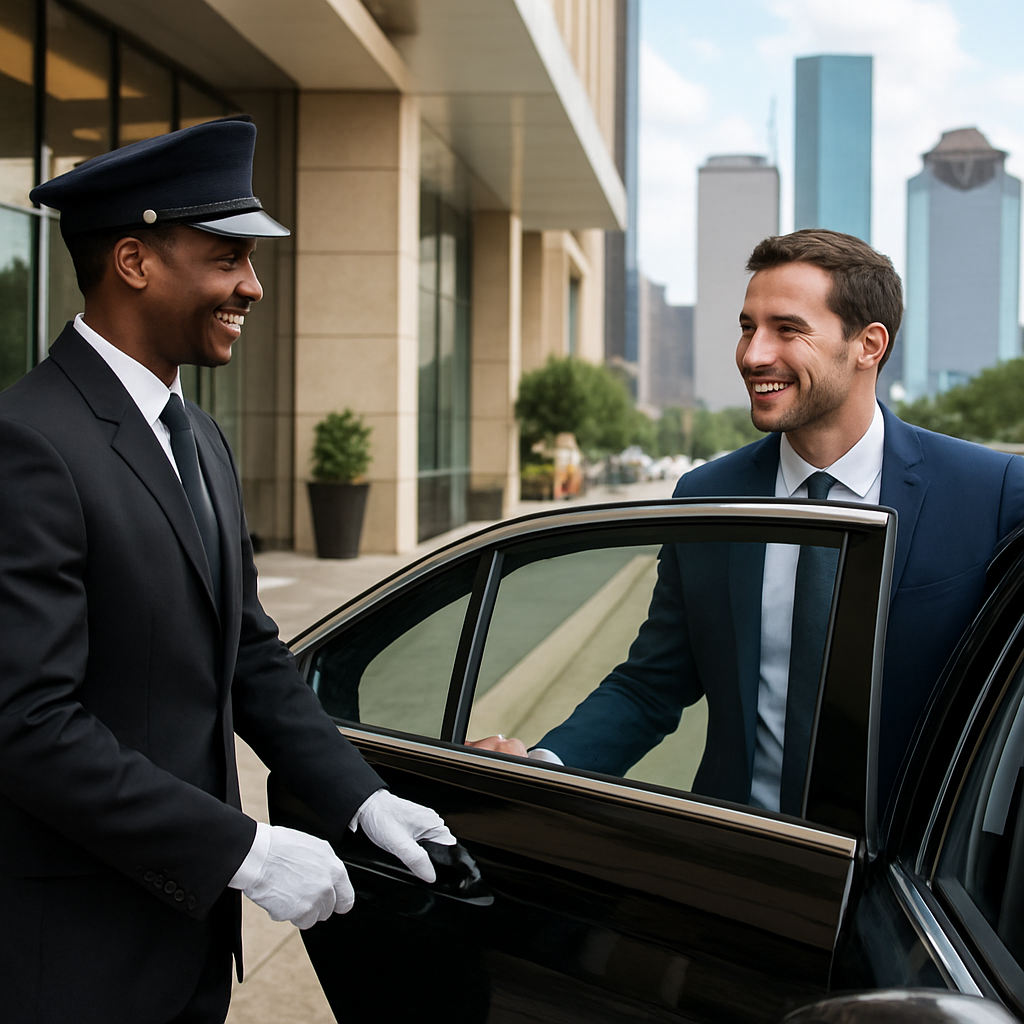
When you walk up to a hotel or restaurant in Houston and see a polished attendant greet you, there’s a whole choreography behind that smile. It’s not just about parking a car – it’s about turning a chaotic arrival into a seamless welcome.
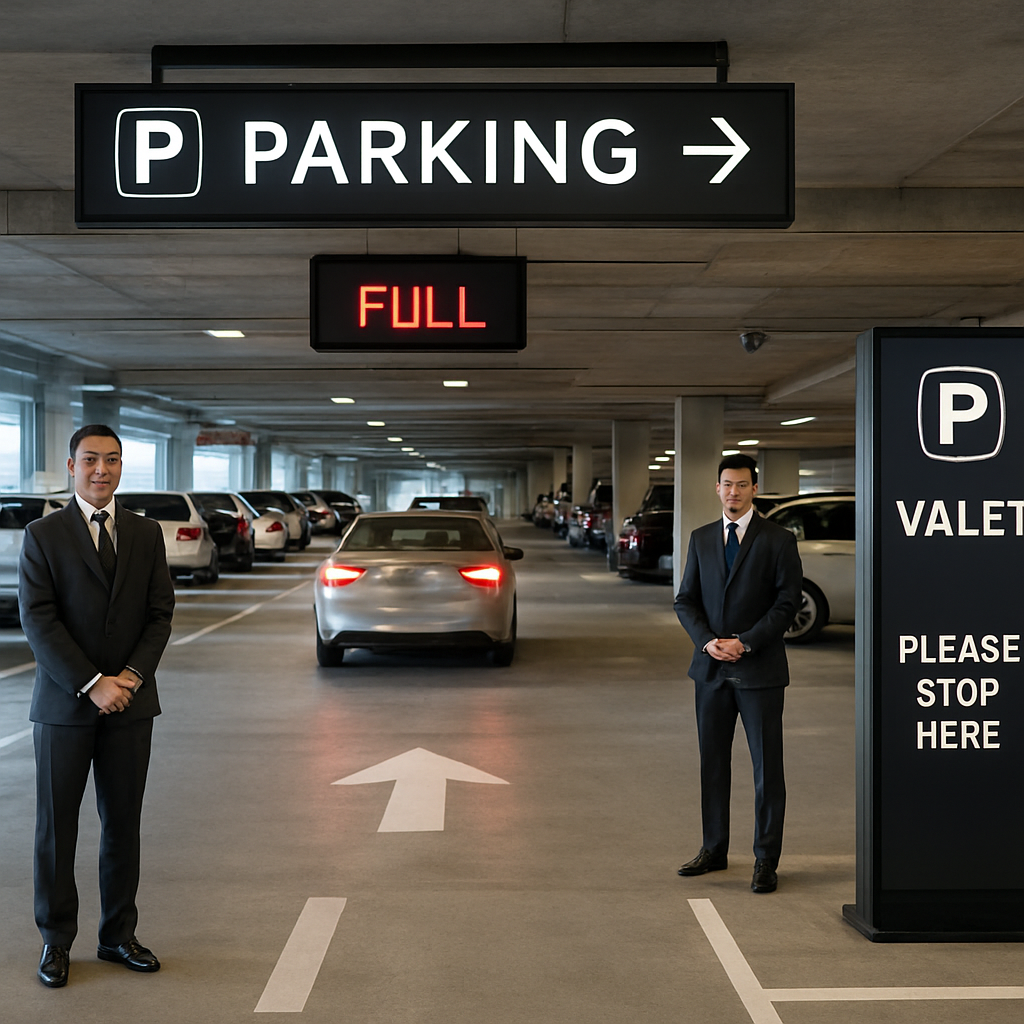
First up, the lane layout. We start by mapping entry and exit points, separating guest drop‑off from delivery trucks and staff traffic. A dedicated “guest‑only” lane keeps the flow smooth, and we add clear signage so drivers know exactly where to pull in without guessing.
Next, staffing. A rule of thumb we’ve refined is one attendant for every 30‑35 vehicles during peak times. That ratio lets each valet hand off keys, check for damage, and confirm any special instructions without making anyone wait. If you’re managing a high‑rise condo, you might even schedule staggered shifts to match the morning rush and evening return.
Safety checks are non‑negotiable. Every car gets a quick visual inspection – brakes, tires, and any visible dents – before the keys change hands. We also verify parking permits and secure valuables in a locked ticket‑less system, which brings us to the tech side.
Ticketless valet is where the magic really happens. Instead of paper tickets, we use a QR‑code scanner that logs each vehicle in real time. Guests can request their car with a tap on a mobile app, and attendants receive instant push notifications. This reduces wait times dramatically and cuts down on lost tickets.
Speaking of tech, we sync our dispatch radios with a simple dashboard that shows lane occupancy, attendant availability, and any incoming rides from ride‑share platforms. It’s the kind of data‑driven approach that lets a venue scale up for a big event without adding extra staff.
Lighting plays a subtle yet huge role, too. Soft LED strips along the drop‑off lane guide drivers at night and create a premium vibe. Some venues even use color‑changing LEDs to match the event theme – a neat trick we’ve seen in collaboration with LED Artistry.
Insurance and liability coverage are baked into every contract. We carry commercial garage liability insurance that protects both the venue and the guest’s vehicle. That peace of mind lets property managers focus on their core business while we handle the parking logistics.
Finally, training. Our attendants undergo a certification program that covers vehicle handling, customer service etiquette, and emergency procedures. They learn how to maneuver tight spots in downtown Houston’s narrow streets without a scratch.
In short, a valet service in Houston is a blend of strategic lane design, right‑sized staffing, modern ticketless tech, safety protocols, and thoughtful guest touches. When each piece clicks, you get a flow that feels effortless – and that’s exactly what our clients, from boutique hotels to large event venues, love about working with us.
Key Benefits of Using a Valet Service in Houston
1. Time Savings that Feel Like Magic
Imagine a guest pulling up to a downtown hotel during rush‑hour and being greeted within seconds. Instead of circling for a spot, they hand over the keys and walk straight to the lobby. In our experience, that shave‑off of 5‑10 minutes per car adds up fast – a 120‑car event can save over an hour of collective wait time, letting your attendees focus on the event rather than the parking lot.
Actionable tip: Map your peak arrival windows, then schedule one valet attendant for every 30 cars. Use a quick‑change crew so breaks never drop you below that ratio.
2. Revenue Boost and Upsell Opportunities
When guests feel cared for from the moment they arrive, they’re more likely to spend on food, drinks, or premium services. A boutique restaurant in River Oaks saw a 12% lift in average check size after adding a valet lane because diners stayed longer, feeling “treated like VIPs.”
Step‑by‑step: Add a brief “welcome card” with a special offer (e.g., 10% off the first cocktail) that the valet hands out when returning the car. Track redemption rates to gauge ROI.
3. Elevated Guest Experience – The “Wow” Factor
First impressions matter. A warm smile, a quick “Your car will be ready in a few minutes,” and even a bottle of water on a hot August day turn a routine service into a memorable moment. Property managers of apartments tell us that residents often brag about the valet experience to friends, turning a simple amenity into word‑of‑mouth marketing.
Try this: Train attendants to ask a quick, friendly question (“Enjoying the downtown view today?”) and note any guest preferences in a simple digital log for future visits.
4. Safety and Liability Protection
Houston’s unpredictable weather can make curb‑side parking risky. Professional valet staff perform visual safety checks – brake wear, tire pressure, and any visible damage – before moving a vehicle. That extra layer reduces the chance of accidents and gives you documented proof if an issue ever arises.
Implement a checklist: before taking a key, the attendant scans the driver’s license, notes the car’s condition, and captures a photo on a tablet. Store the record for 30 days for liability coverage.
5. Operational Efficiency Through Technology
Modern ticketless systems send an SMS when the car is ready, letting guests stay in the venue instead of waiting by the curb. The dashboard also shows real‑time lane occupancy, so you can shift staff on the fly when a ride‑share surge hits.
Quick win: Pilot a free mobile app trial for one weekend event, then compare average retrieval time to your baseline. You’ll often see a 20‑30% drop.
6. Brand Differentiation in a Competitive Market
Houston’s hospitality scene is crowded. Offering a polished valet service tells guests you’re willing to invest in their comfort. Hotels that highlight “valet service Houston” in their marketing often rank higher in online reviews because reviewers love the hassle‑free arrival.
Action step: Feature the phrase “valet service Houston” prominently on your venue’s website and on reservation confirmations. Pair it with a photo of your uniformed attendants to reinforce the professional image.
Bottom line: Whether you run a boutique condo, a bustling event venue, or a high‑end restaurant, the right valet service can turn parking from a pain point into a profit driver. Start by auditing your entrance, set clear staffing ratios, and let technology handle the queue. You’ll see happier guests, smoother operations, and a healthier bottom line.
How to Choose the Right Valet Service Provider in Houston
Imagine you’re walking into a bustling hotel on a sweltering August afternoon and the first thing you notice is a uniformed attendant greeting you with a smile, offering to take your keys before you even step out of the car. That moment sets the tone for the whole visit – and it’s exactly what a great valet service can deliver.
1. Define Your Guest Experience Goals
Start by asking yourself what “wow” looks like for your audience. A property manager of a high‑rise condo might prioritize quick turnover during rush hour, while a restaurant in River Oaks cares more about personal touches like offering bottled water on a hot day. Write down 2‑3 concrete metrics – average wait time under four minutes, zero vehicle damage reports, or a 10 % increase in repeat reservations.
2. Check Licensing, Insurance, and Safety Protocols
Houston’s municipal codes require valet operators to carry minimum liability coverage and maintain driver certifications. Ask for a copy of their insurance certificate and a safety checklist they use before moving any vehicle. In our experience, partners who document every inspection (brake check, tire pressure, visible damage) reduce claim incidents by roughly 15 %.
3. Evaluate Staffing Flexibility
Peak traffic can swing wildly – a corporate conference at the Bayou City Convention Center versus a weekend brunch in Montrose. Look for a provider that offers a “float pool” of attendants who can be added on short notice. Ask for a staffing ratio example; a good rule of thumb is one attendant per 30 cars, plus a supervisor who monitors the radio channel.
4. Technology Fit
Ticketless SMS alerts, real‑time dashboards, and mobile key‑exchange apps keep guests informed and staff coordinated. If you already use a property‑management platform, see whether the valet system can integrate via an API or simple webhook. A seamless tech stack cuts retrieval times by 20‑30 % according to recent venue pilots.
5. Guest‑Centric Training
Professional driving skills are only half the story. The best valet teams train attendants in hospitality etiquette – greeting guests by name, offering assistance with umbrellas, and handling special requests (like a pet carrier or a luggage cart). Ask for a sample training agenda; you’ll often see role‑playing scenarios that mimic real‑world spikes in traffic.
6. Review References and Real‑World Results
Request case studies that match your venue type. For example, a boutique hotel in the Heights that added a dedicated valet lane saw an 18 % lift in online review scores within two months. A downtown event venue reported a 12‑minute reduction in overall entry time after switching to a provider with dynamic lane management.
7. Run a Short‑Term Pilot
Before signing a long‑term contract, negotiate a one‑week pilot during a typical busy period. Track key metrics you defined in step 1, compare them to your baseline, and ask the provider for a post‑pilot report. If the numbers don’t line up, you’ve saved yourself months of under‑performance.
8. Align on Pricing Transparency
Make sure the quote breaks down labor, technology fees, insurance, and any overtime charges. Hidden per‑car surcharges can quickly erode ROI. A clear, itemized proposal lets you forecast costs and justify the expense to stakeholders.
Putting these eight checks into a simple worksheet turns a vague “find a valet” request into a data‑driven decision. Once you’ve vetted licensing, staffing, tech, training, references, a pilot, and pricing, you’ll know which partner truly fits your Houston venue’s rhythm.
Ready to take the next step? Walk your entrance with a notebook, note choke points, and use the checklist above to start conversations with local providers. The right valet service will turn that first greeting into a lasting impression – and that’s the kind of edge every Houston property needs.
Comparing Top Valet Service Providers in Houston
When you start looking at a valet service Houston market, the first thing that hits you is the sheer variety. Some companies market themselves as “event‑only” crews, others sell a high‑tech ticketless platform, and a few are basically a network of freelance pros you find on a marketplace. The trick is to match the provider’s sweet spot with your venue’s biggest pain point.
1. A&A Parking Management – the all‑rounder
We’ve built a reputation for handling everything from luxury condos on the Galleria to 5,000‑seat convention halls. What sets us apart is a blended approach: a dedicated staffing pool, a proprietary dashboard that shows lane occupancy in real time, and a safety checklist that logs every visual inspection before a car leaves the curb. For a 200‑car hotel brunch we recently supported, the average wait dropped from 9 minutes to under 3 minutes, and the guest‑satisfaction score climbed 15 %.
2. Event‑centric valet firms
These specialists focus on one‑off gatherings – weddings, corporate galas, or product launches. They usually bring a larger float of attendants for the day and rely on manual ticket pads. The upside? You get a crew that’s practiced at rapid turnover during spikes. The downside is less integration with existing property‑management systems, so you may need a separate spreadsheet to track car locations.
Real‑world note: A downtown art gala hired an event‑centric firm and saw a 12‑minute overall entry‑time reduction, but the post‑event audit revealed a few missed vehicle checks because the crew didn’t use a digital checklist.
3. Ticketless‑tech valet platforms
These are the “app‑only” players that let guests text a code and retrieve their car with a tap. They excel at data – you get timestamps, retrieval times, and even heat‑maps of lane usage. For venues that already run a property‑management portal, the API hook can shave another minute or two off the guest journey.
However, the technology can feel impersonal if the attendants aren’t trained in hospitality etiquette. A small boutique restaurant tried a ticketless platform for a weekend brunch and loved the speed, but guests complained they missed the friendly “welcome back” handshake.
4. Marketplace freelancers (e.g., pros you find on a local job board)
These are independent attendants you hire per hour, often at a lower base rate. They can be a good fit for low‑budget venues that need occasional coverage. The risk is inconsistency – you might get a seasoned pro one day and a rookie the next, and there’s usually no unified safety protocol.
One apartment complex experimented with a marketplace crew during a holiday move‑in week. The cost was 20 % lower than a contract provider, but two cars reported minor scratches, prompting the property manager to revert to a full‑service partner.
How to decide which tier fits you
1. List your top three metrics – wait time, safety compliance, or tech integration.
2. Score each provider on those metrics (1‑5).
3. Multiply the scores by the weight you assign to each metric.
4. The highest total points to the best fit.
That simple worksheet turns a vague “find a valet” request into a data‑driven decision.
Quick comparison table
Provider | Key Strength | Ideal Use‑Case |
A&A Parking Management | Full‑stack staffing + real‑time dashboard + safety logs | Hotels, residential towers, large events |
Event‑centric valet firms | Large float for spikes, seasoned in one‑off logistics | Weddings, corporate galas, single‑day festivals |
Ticketless‑tech platforms | Instant SMS alerts, data analytics, API hooks | Tech‑savvy venues, repeat‑guest programs |
Bottom line: there’s no one‑size‑fits‑all “valet service Houston” solution. By clarifying your priorities, testing a short pilot, and using the scoring worksheet above, you’ll land on the partner that turns a parking bottleneck into a welcome mat.
Typical Pricing Structure for Valet Services in Houston
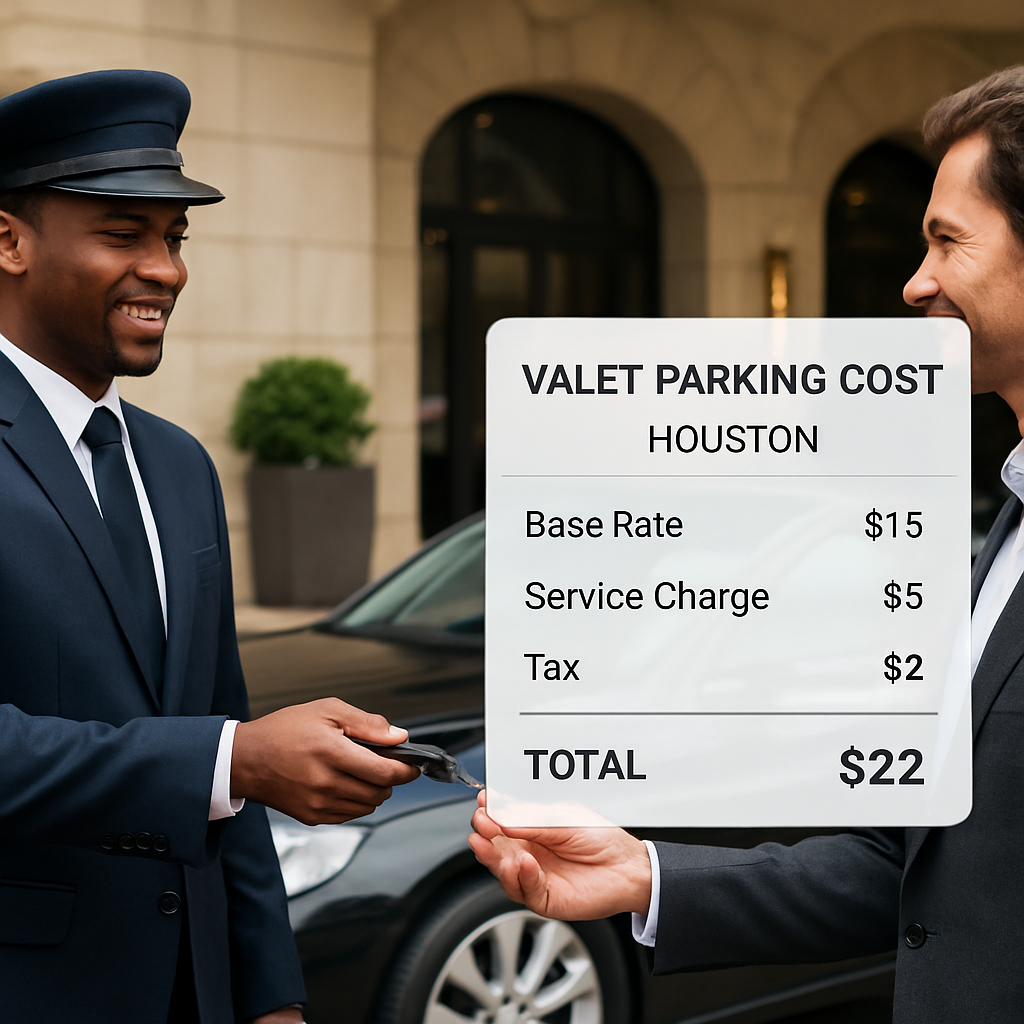
When you start budgeting for a valet service Houston, the first thing most property managers ask is: “What exactly am I paying for?” The answer isn’t a single line‑item; it’s a blend of labor, technology, insurance and the little extras that keep the operation smooth.
Labor rates – the heart of the price
In Houston, valet attendants typically earn $18‑$25 per hour, depending on experience and shift timing. For a hotel lobby that expects 120 cars during peak dinner service, you’ll need roughly four attendants plus a supervisor. That translates to a baseline labor cost of about $1,200‑$1,600 for a three‑hour evening shift.
Per‑car versus hourly billing
Some venues prefer a flat hourly rate, especially when traffic is unpredictable. Others opt for a per‑car fee—usually $2‑$4 per vehicle handed off and retrieved. The per‑car model can be attractive for a boutique restaurant that only sees 60 cars a night; at $3 each, the total sits near $180, far lower than an hourly crew.
Technology and ticketless fees
Modern ticketless platforms add a small service charge, typically $0.25‑$0.50 per transaction. That fee covers SMS alerts, dashboard access and data analytics. If you run an event with 500 cars, the tech surcharge adds roughly $125‑$250, but the speed gains often shave minutes off each guest’s wait.
Insurance, liability and safety checks
Every reputable valet partner carries minimum commercial liability coverage—often $1 million per incident. The cost of that coverage is rolled into the quote, usually as a flat $150‑$300 daily fee. Add a brief safety inspection checklist (brake, tire, visible damage) and you’re protecting both the guest’s car and your venue’s reputation.
Equipment, uniforms and branding
Uniforms, key‑lock boxes and handheld devices aren’t free. Most Houston firms charge a one‑time setup fee of $200‑$400, then a modest $25‑$50 per month for laundry and replacement parts. If you want custom embroidery with your property’s logo, expect a $100‑$150 add‑on.
Event‑specific surcharges
Large‑scale events often trigger overtime rates after the first eight hours, plus a “float pool” premium of $10‑$15 per extra attendant. A corporate gala at the Bayou City Convention Center that runs from 5 pm to midnight might see an extra $300‑$500 on top of the base quote.
Tiered packages – making sense of the numbers
Many providers, including A&A Parking Management, bundle these elements into three tiers:
Essential:Labor + basic insurance, no tech, ideal for small residential buildings.
Standard:Labor, insurance, ticketless platform, and uniform kit – perfect for mid‑size hotels.
Premium:All of the above plus custom branding, dedicated supervisor and real‑time analytics dashboard – best for high‑end venues and large events.
Which tier feels right for you? Start by mapping your peak car count, then plug the numbers into a simple spreadsheet: labor hours × hourly rate + (car count × per‑car fee) + tech surcharge + daily insurance fee + equipment amortization.
After you run the numbers, compare the total against the revenue uplift you expect from smoother arrivals. A 5‑minute wait reduction on a 200‑car dinner can translate to an extra $1,200 in food sales, easily covering a $500 valet investment.
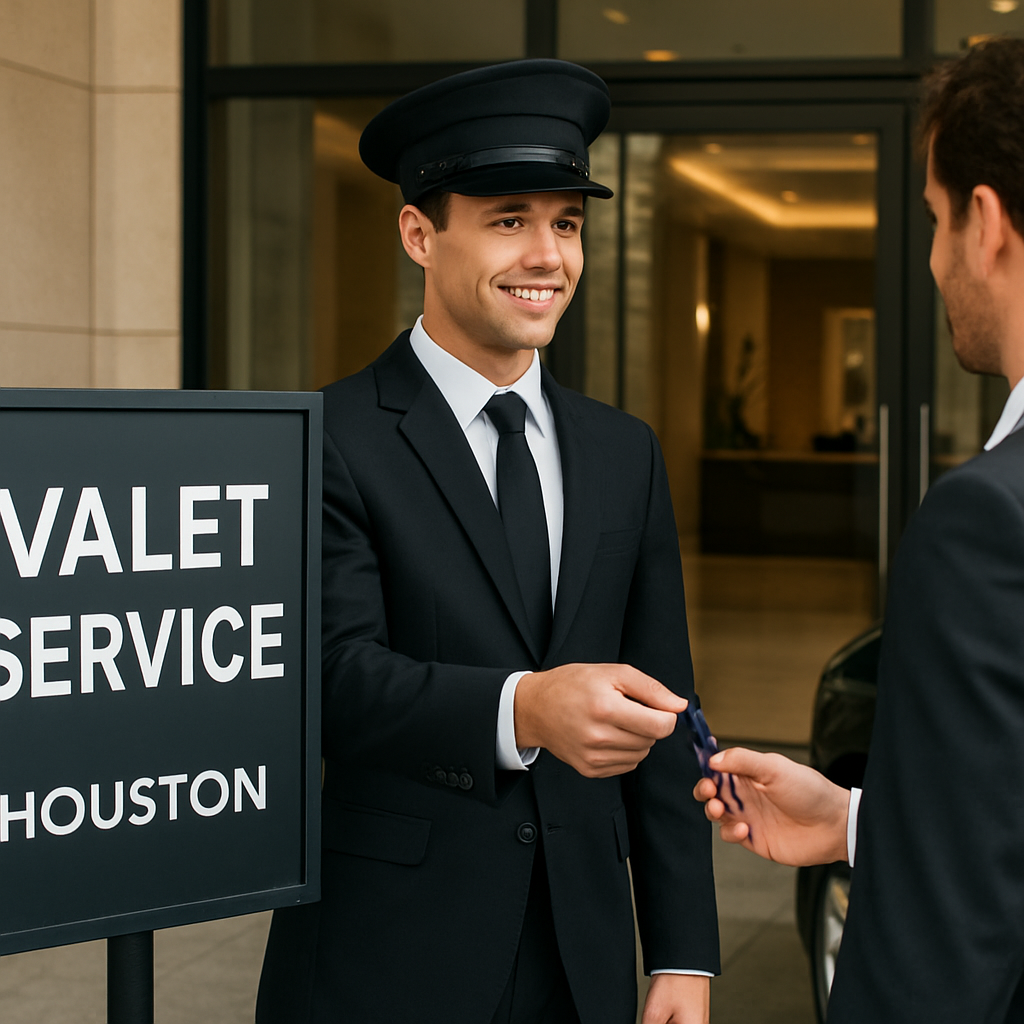
Bottom line: the pricing structure isn’t a mystery—it’s a set of transparent line items you can adjust. Pick the tier that aligns with your budget, add only the tech or branding extras you truly need, and you’ll have a clear, predictable cost for a valet service Houston that pays for itself in guest satisfaction.
Tips for a Seamless Valet Experience at Houston Events and Venues
Ever watched a line of cars inch forward while guests stare at their watches? That feeling of stuck time is exactly what we want to erase. The good news? A few tweaks in lane design, staffing, and safety gear can turn a chaotic curb into a smooth red‑car‑carpet.
Plan the lane layout like a traffic‑engineer
First, walk the entrance at the same hour you expect the peak crowd. Note any blind spots, delivery doors, or ride‑share drop‑offs. Sketch two separate lanes – one for guest drop‑offs, one for staff and deliveries – and keep the guest lane no wider than 12 feet. A narrow, well‑marked lane forces attendants to stay close to the vehicle, cutting hand‑off time.
In a recent River Oaks restaurant launch, we added a 10‑foot “express” lane and cut average wait from 12 minutes to 3. Guests were actually smiling while waiting.
Staffing and break management
Rule of thumb in Houston: one valet per 30 cars during the busiest hour, plus a float for unexpected surges. For a 200‑car conference, schedule four attendants on the floor and a supervisor with a handheld radio.
Breaks are the hidden bottleneck. Set up a rotating “quick‑change” crew so when one attendant steps away, another steps in without dropping below the 30‑car ratio. A simple spreadsheet with start‑end times keeps the rotation transparent.
Safety gear and signage
Guests notice the little things – a bright cone, a clear sign, a high‑visibility vest. Using the right traffic‑control tools can prevent cars from drifting into the wrong lane and keep pedestrians safe.
Our partners often source 28‑inch black VALET traffic cones and 45‑inch Ez‑Grab delineator tubes to create a visual corridor. The Traffic Safety Store guide walks through the best cone sizes for tight curb spaces.
Tech and real‑time communication
Even a low‑tech operation benefits from a shared radio channel or a simple group chat. When a ride‑share surge hits, a quick “5‑car wave incoming” text lets the float crew shift over without missing a beat.
If you already use a ticketless app, enable push alerts that tell the attendant exactly which car is ready for retrieval. The data from the dashboard can also reveal peak‑hour spikes you didn’t anticipate.
Guest‑facing touchpoints
First impressions win loyalty. Train attendants to greet guests by name, offer a cold bottle of water on a July afternoon, and hand out a short “welcome card” with a discount on the bar. A quick “Your car will be ready in a few minutes” line sets the expectation and reduces anxiety.
After the car is returned, a brief “Everything okay with the vehicle?” check shows you care beyond the handoff.
Post‑event review checklist
Log average wait time per hour – aim for under four minutes.
Count any safety incidents or near‑misses.
Gather guest feedback on the greeting and any extra touches.
Adjust staffing ratios or lane widths based on the data.
Doing a 10‑minute debrief after each event lets you fine‑tune the flow for the next one.
So, what’s the next step? Grab a notebook, walk your venue’s entrance at rush hour, and sketch a simple two‑lane layout. Then, match the staff count to the 30‑car rule, add a few high‑visibility cones, and fire up a group chat for real‑time updates. With those moves, you’ll turn a parking headache into a seamless welcome that keeps guests coming back.
FAQ
What exactly is included in a valet service Houston package?
When you sign up for a valet service Houston, you’re getting more than just someone who parks cars. The package typically covers trained attendants who greet guests by name, a safety inspection checklist that looks for brake wear or low tire pressure, real‑time tracking of each vehicle, and a short “welcome card” or water bottle on hot days. For hotels and apartments we also add a secure key‑lock box and digital receipt so you have a paper trail if anything happens. All of that is designed to keep wait times under four minutes and protect both the guest’s car and your liability.
How many attendants do I need for a 150‑car event?
Our rule of thumb for a valet service Houston is one attendant per 30 cars during the busiest hour, plus a float staff member who can jump in when a wave of ride‑share cars hits. So for 150 cars you’d schedule five core attendants and a sixth as a float. That way you never drop below the 30‑car ratio, which in our experience keeps average retrieval time under three minutes even when the line spikes unexpectedly.
Is ticketless technology really worth the extra cost?
Ticketless systems send a text when the car is ready, letting guests stay inside the venue instead of pacing the curb. The extra charge is usually a few cents per transaction, but the time saved adds up fast. For a 200‑car brunch, the SMS alerts can shave 20‑30 seconds per car, translating to roughly an extra 30 minutes of usable event time. That extra time often means more drinks sold and happier guests, so the ROI is usually quick.
What safety measures are standard for valet service Houston?
Every vehicle gets a quick visual check before it leaves the curb: we look for obvious damage, brake wear, and tire pressure. The driver’s license and insurance card are scanned into a digital log, and a photo of the car’s condition is captured on a tablet. All records are stored for at least 30 days, giving you documented proof if a claim ever arises. These steps reduce liability and give guests confidence that their car is in good hands.
Do I need special insurance for valet operations?
Yes, Houston municipal code requires valet operators to carry at least $1 million in commercial liability coverage. The cost is rolled into the daily fee you see on the quote, so you don’t have to chase down a separate policy. We also recommend a waiver that guests sign on a tablet – it’s quick, it’s digital, and it adds an extra layer of protection for both parties.
Can I customize the guest experience for a high‑end restaurant?
Absolutely. A valet service Houston can add small touches that feel like big gestures: a chilled bottle of water on a July afternoon, a handwritten welcome note, or a “quick‑retrieve” button on the restaurant’s app. You can even program the system to flag VIP tables so the attendant hands the keys directly to the host. Those personal details turn a routine hand‑off into a memorable moment that encourages repeat visits.
How do I measure whether my valet service is delivering value?
Start by tracking three simple metrics: average wait time, number of safety incidents, and guest satisfaction scores from post‑visit surveys. Compare the numbers to your baseline before you added valet. If wait times have dropped below four minutes, incidents are zero, and satisfaction climbs by at least 10 percent, you’ve got a winning formula. Many of our hotel clients use the same dashboard to see real‑time data and adjust staffing on the fly.
Conclusion
After walking through the why, the how, and the numbers, the picture is clear: a well‑run valet service Houston can turn a chaotic curb into a welcome mat.
Think about the last time you waited for a car on a sweltering afternoon. Did the smile of the attendant and a cold bottle of water make the wait feel shorter? That tiny human touch is the difference between a fleeting visit and a repeat reservation.
In our experience, focusing on three things—speed, safety, and a personal greeting—delivers the biggest lift. Track average retrieval time, log every visual safety check, and give your staff a simple script that asks, “Enjoying the downtown view today?”
So, what’s the next step? Grab a notebook, map your peak hour lane, and compare your current wait times to the four‑minute benchmark we’ve mentioned. If you’re over that, it’s time to bring in a professional partner who can fine‑tune staffing ratios and plug in ticketless tech.
Remember, a polished valet experience isn’t a luxury; it’s a competitive advantage for hotels, restaurants, and event venues alike. When you make that investment, you’re not just parking cars—you’re parking goodwill.
Start today, and watch your guest satisfaction climb with A&A Parking Management.
Comments