Parking Management Services: A Complete Guide for Efficient Facility Operations

Ever walked into a busy hotel lobby, watched guests fumble with tickets, and thought, "There has to be a smoother way"? That moment of frustration is exactly what we see every day in Houston’s commercial, residential, and event spaces.
Imagine a downtown apartment complex where residents spend five minutes hunting for a spot, or a corporate conference where the valet line snakes around the venue like a slow‑moving parade. Those bottlenecks cost time, hurt satisfaction, and even raise liability risks.
In our experience, the root of the problem isn’t the number of spaces—it’s the lack of a coordinated strategy. That’s why we focus on four pillars: valet staffing, attendant oversight, traffic‑flow engineering, and ticketless parking technology. Each pillar talks to a specific pain point. For example, a hotel in the Galleria area cut its guest check‑in wait by 30% after we introduced a ticketless system that syncs with their front‑desk software.
What does that look like in practice? First, we assess your current layout, mapping entry points, peak hours, and any safety concerns. Next, we design a custom flow—perhaps a one‑way loop for an apartment garage or a dedicated drop‑off lane for a convention center. Then our trained attendants take the reins, handling everything from key‑card access to gentle traffic direction. Finally, we roll out a digital ticketless platform that lets guests tap a phone or card, eliminating paper tickets and speeding up exit.
Outsourcing this to a fully insured provider brings tangible upside:Higher guest satisfaction scores—studies show a 15‑20% boost when valet is seamless.Increased revenue from optimized space usage and premium valet fees.Reduced liability thanks to professional staff and compliance with Houston’s safety regulations.
If you’re curious about how these pieces fit together, check out our top‑rated parking management services in Houston . We’ve helped boutique hotels, sprawling apartment complexes, and large‑scale event venues turn parking from a headache into a hospitality advantage.
Ready to stop guessing and start delivering a flawless parking experience? Reach out today for a free consultation or quote, and let us show you how a tailored parking plan can keep your guests smiling and your operations running like clockwork.
TL;DR
A&A Parking Management transforms hotels, apartments, and event venues with seamless parking management services that boost guest satisfaction, revenue, and safety through professional valet staffing.
Contact us for a free, customized consultation and discover how our traffic‑flow engineering and ticketless technology can keep your property running smoothly today, hassle‑free, guaranteed.
Understanding the Fundamentals of Parking Management Services
When you step onto a bustling property and see cars circling like a carousel, you instantly feel the tension. That little spike of anxiety is exactly what good parking management aims to smooth out.
At its core, parking management is about orchestrating four moving parts: the people who guide cars, the flow you design, the technology that tracks tickets, and the safety checks that keep everyone protected. Think of it as conducting a symphony where each instrument—valet staff, attendants, signage, software—needs to hit the right note at the right time.
First, let’s talk people. A well‑trained valet team does more than just take keys; they become the first point of hospitality. For a hotel in Midtown, a friendly smile at the drop‑off lane can set the tone for the entire guest experience. For an apartment complex, attendants who politely direct residents to open spots reduce frustration and keep the community vibe positive.
Next up is traffic‑flow engineering. Imagine a downtown event venue where cars enter from two streets. If you let them merge haphazardly, you’ll create bottlenecks that spill onto the public road. By mapping peak times and carving one‑way loops, you guide vehicles like a river around obstacles. The result? Faster exits, happier attendees, and fewer complaints to city inspectors.
Then there’s ticketless technology. Gone are the days of paper tickets that tear or get lost. Modern platforms let guests tap a phone or RFID card, instantly logging entry and exit. It’s not just a gimmick—studies show that eliminating paper tickets can shave up to 30 seconds per car, which adds up to hours of saved time during a conference.
Safety is the final pillar. Professional staff know how to handle emergencies, from a stalled vehicle to a sudden rainstorm. They also ensure compliance with local regulations—think fire lanes, ADA‑compliant spaces, and insurance requirements. When you outsource to a fully insured provider, you transfer that liability onto experts who stay up‑to‑date on the rules.
So, how does all this translate into real benefits? For property managers, smoother flow means higher occupancy rates because tenants appreciate hassle‑free parking. Event planners see increased repeat bookings when guests recall a seamless arrival experience. Hotels notice higher satisfaction scores, which ripple into better online reviews and more bookings.
Here’s a quick checklist to gauge whether your parking setup needs a refresh:
Cars regularly queue for more than five minutes.
Attendants are stretched thin during peak hours.
Paper tickets get misplaced or cause disputes.
You’ve received safety citations in the past year.
If you answered “yes” to any of those, it’s a sign that a professional parking management service could tighten things up.
Below is a short video that walks through a typical day in a managed parking operation, highlighting how each pillar works together.
Notice how the attendants coordinate with the digital dashboard, and how the traffic pattern shifts smoothly when a large event ends.
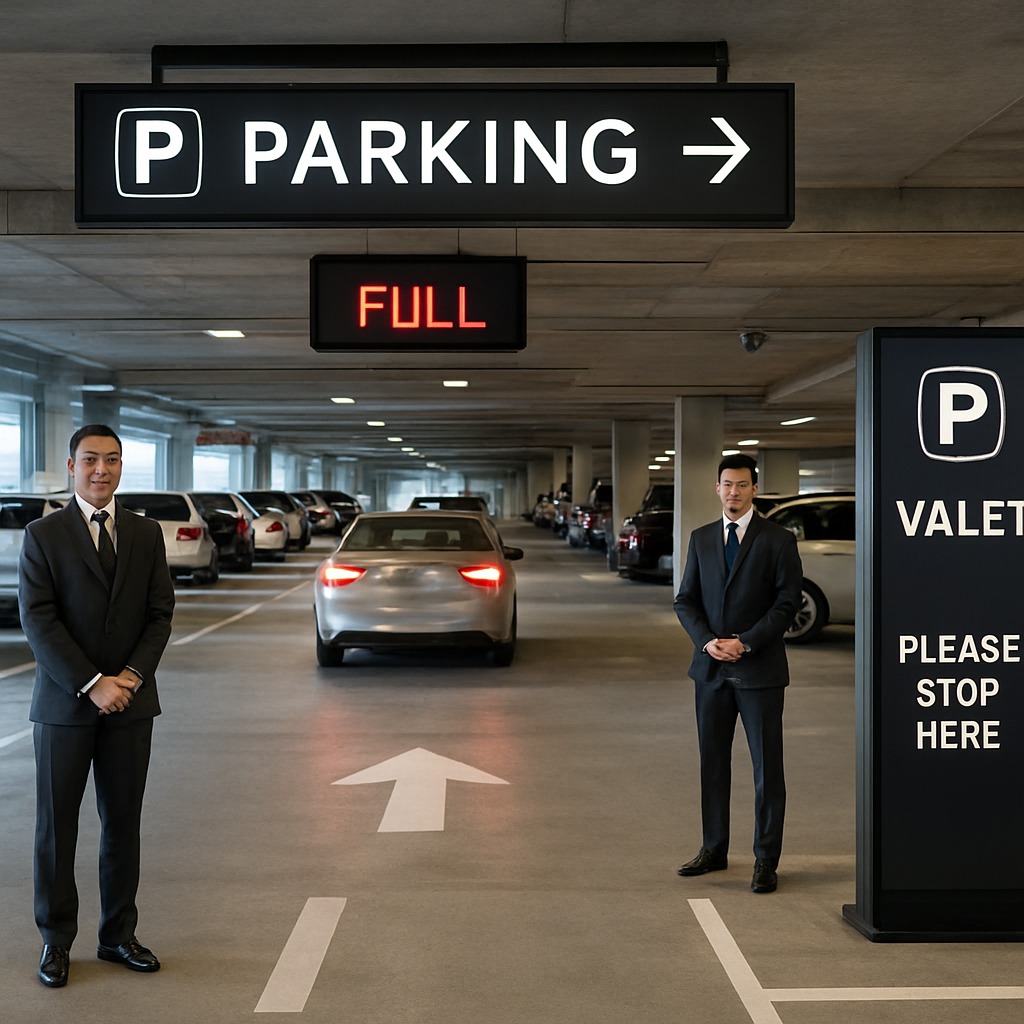
Now picture a photorealistic scene of a sleek, well‑lit parking garage in Houston, with attendants guiding cars and digital signs flashing clear directions—exactly the kind of environment you want for your property.
Key Benefits of Implementing Professional Parking Management
Ever walked into a hotel lobby only to watch a line of cars inch forward like a slow‑moving parade? That moment tells you something is off, and it’s the perfect cue to think about the bigger picture: how professional parking management can actually lift your whole operation.
Boosted Guest Satisfaction
When attendants greet drivers, guide them with clear signage, and let guests tap a phone instead of wrestling with paper tickets, the stress evaporates. Property managers of apartments and hotels in Houston tell us that a smooth exit feels like a “welcome home” moment rather than a “good‑byes‑but‑wait‑where‑is‑my‑car?” experience.
Studies show drivers waste an average of 17 hours a year circling for spots, costing $345 in fuel and time per driver — see why parking management services matter. By cutting that friction, you turn a routine task into a subtle brand boost.
Revenue Gains and Space Optimization
Professional teams know how to squeeze every square foot. A shared‑parking model can turn idle stalls into revenue streams after business hours, while premium valet lanes command higher fees. The result? A modest uptick in monthly cash flow without digging a new lot.
Digital tools let you track occupancy in real‑time and even reserve spots ahead of time. That kind of precision is what digital parking solutions promise – up to 22 % cost reduction for large fleets, and the same logic applies to your property.
Reduced Liability and Enhanced Security
Bad lighting, unclear lane markings, and unattended tickets are invitation letters for accidents and theft. A seasoned parking manager will install cameras, bollards, and clear traffic‑flow rules that keep both vehicles and people safe.
Because you’re not juggling those details yourself, you avoid costly lawsuits and insurance spikes. It’s the peace of mind that lets you focus on core business goals instead of playing traffic cop.
Scalable, Eco‑Friendly Operations
As Houston grows, so does the demand for parking. A flexible management plan can adapt to seasonal events, new construction, or shifting tenant mixes without a major overhaul. Plus, smoother flow means fewer idling cars, which translates to lower emissions – a small but meaningful win for the city’s air quality.
Think of it as future‑proofing: today’s technology, like ticketless platforms, can evolve into automated valet towers or AI‑driven space allocation as your needs expand.
So, what does this look like on the ground? You get a partner who handles staffing, tech integration, and ongoing performance reviews, letting you reap higher satisfaction scores, extra revenue, and a safer environment – all while you keep your focus on delivering great experiences for guests and residents.
Ready to see these benefits in action? Let’s talk about how a tailored parking strategy can lift your property’s performance.
How to Choose the Right Parking Management Provider
When you stare at a jammed valet line at a downtown hotel, you know the problem isn’t just traffic—it’s the provider you’ve trusted. So, how do you pick a partner who actually gets your property’s quirks?
1. Map Your Pain Points First
Start by walking the lot with a notebook. Note where cars queue, where attendants stumble, and where guests complain. For a mixed‑use apartment complex, you might see residents circling for five minutes each morning. At a conference venue, the bottleneck could be the drop‑off lane during keynote sessions. Jotting down these moments creates a baseline you can compare against any provider’s pitch.
2. Ask About Tailored Solutions, Not One‑Size‑Fits‑All
A good parking management services partner will sit down with you and say, “Tell us about your peak hours, your event calendar, and your safety concerns.” They should then propose a custom traffic‑flow blueprint—maybe a one‑way loop for a garage or a dedicated valet lane for a restaurant. If they respond with a generic brochure, walk away.
3. Check Their Staff Model
Look for providers who hire, train, and manage their own attendants. That guarantees consistent service standards. Ask how they handle turnover, background checks, and on‑the‑spot coaching. Property managers of Houston apartments often tell us that a provider who “owns” its people can quickly adjust staffing levels for a holiday surge without you having to chase a call center.
4. Evaluate Technology Fit
Modern parking management services rely on real‑time data—license‑plate readers, occupancy dashboards, and mobile ticketless apps. Ask to see a live demo of their platform. Does it integrate with your existing property‑management software? Can you push dynamic pricing or send text notifications when a car’s ready? If the tech feels clunky, it will only add friction for your guests.
5. Look for Proven Flexibility on Events
Events are the ultimate stress test. A provider should be able to scale up staff, re‑route traffic, and adjust signage on the fly. Imagine a corporate gala that suddenly draws 300 extra cars. The right partner will have a pre‑planned “event playbook” that you can activate in minutes, rather than scrambling for extra hands.
6. Verify Insurance and Liability Coverage
Because accidents happen, make sure the provider is fully insured and that their coverage aligns with Houston’s fire‑lane and liability regulations. Ask for a copy of their certificate of insurance and confirm it includes vehicle damage, personal injury, and property damage.
7. Get References From Similar Properties
Ask for case studies—or at least a couple of references—from hotels, residential towers, or event venues that resemble yours. A property manager who says, “We helped a 250‑room hotel cut exit wait times by 40%,” gives you a concrete benchmark.
Once you’ve run through this checklist, you’ll have a shortlist of providers that truly understand your needs. The next step? Bring them in for a site walk‑through, watch how they ask questions, and feel the vibe of their team. If they’re as invested as you are, the partnership will feel less like a contract and more like a shared mission to make every guest’s arrival and departure effortless.
Ready to start the conversation? Reach out for a free, no‑obligation consultation and let us show you how a customized parking strategy can turn chaos into smooth, profitable flow.
Comparing Popular Parking Management Solutions
When you’re juggling a hotel lobby, an apartment garage, or a corporate event, the choice of parking management solution can feel like picking a partner for a three‑minute dance. You want someone who keeps the rhythm smooth, doesn’t step on anyone’s toes, and knows the moves.
Let’s break down the most common options you’ll run into in Houston and see how they stack up against the kind of service we deliver at A&A Parking Management.
1. DIY In‑House Staffing
Many property owners start by training their own attendants and using a basic gate‑ticket system. It’s cheap on paper, but you quickly discover hidden costs: turnover, compliance training, and the endless paperwork of insurance certificates.
Real‑world tip: A 150‑unit condo board tried this route last year, only to see valet wait times double during the holiday season because the staff couldn’t scale fast enough.
2. Outsourced Valet‑Only Providers
These firms specialize in handing out keys and collecting tips. They’re great for a single night‑of‑event but often lack the technology to integrate with your property‑management system or to provide data‑driven revenue insights.
Imagine a downtown conference that adds a last‑minute speaker. The valet crew shows up, but there’s no way to instantly adjust pricing or track which stalls are occupied. You end up with empty spaces and frustrated guests.
3. Software‑Centric Platforms
Modern parking software promises contactless payments, real‑time occupancy dashboards, and dynamic pricing. According to industry analysis of parking management software , a 50‑space lot can generate over $180,000 annually when automated pricing is applied.
These tools are powerful, but they still need trained staff on the ground to handle traffic flow, enforce fire‑lane rules, and keep an eye on safety.
4. Integrated Surveillance & Sensor Solutions
Companies like Matrix offer video‑surveillance‑driven systems with ANPR, occupancy sensors, and instant alerts for wrong‑way driving. Their dashboard gives you a live snapshot of every slot, plus the ability to whitelist or blacklist plates.
That level of security is fantastic for high‑risk venues, yet without a human‑centric service layer the experience can feel cold and impersonal.
5. Full‑Service Partners (Our Pick)
At A&A Parking Management we blend the best of all worlds: professional attendants, a ticketless mobile platform, and real‑time reporting that rivals any software‑only solution. We also layer in compliance checks, insurance coverage, and a custom traffic‑flow blueprint that’s tailored to hotels, apartments, or event spaces.
What sets us apart? We treat the parking lot as an extension of your brand, not a separate cost center. That means we’ll work with your PMS, adjust pricing on the fly, and even provide post‑event analytics to show you exactly where you saved time and added revenue.
So, which solution feels right for you?
Solution | Typical Features | Pros | Cons |
DIY In‑House | Manual ticketing, basic gate | Low upfront cost | High labor turnover, limited data |
Outsourced Valet‑Only | Key‑handing, cash tips | Quick deployment | No tech integration, pricing rigidity |
Software‑Centric | Contactless payment, occupancy dashboard | Revenue optimization, scalability | Requires staff to manage flow |
Surveillance & Sensors | ANPR, real‑time slot alerts | Enhanced security, precise occupancy | May feel impersonal without attendants |
Full‑Service Partner (A&A) | Valet staff, ticketless app, custom traffic plan, compliance, analytics | All‑in‑one, brand‑aligned, revenue + safety gains | Higher service cost—but ROI pays off |
Take a moment to audit your current setup. Does it give you the data, the safety, and the guest experience you need? If you answered “no” to any of those, it might be time to bring a full‑service partner on board.
Ready to see how a tailored parking strategy can lift your property’s performance? Let’s chat about a free, no‑obligation consultation and map out the next steps together.
Integrating Technology: Automated Systems and Apps
Ever wonder why some parking lots feel like a well‑rehearsed dance while others look like a traffic jam on a Monday morning? The difference is usually not the number of spaces—it’s the technology humming behind the scenes.
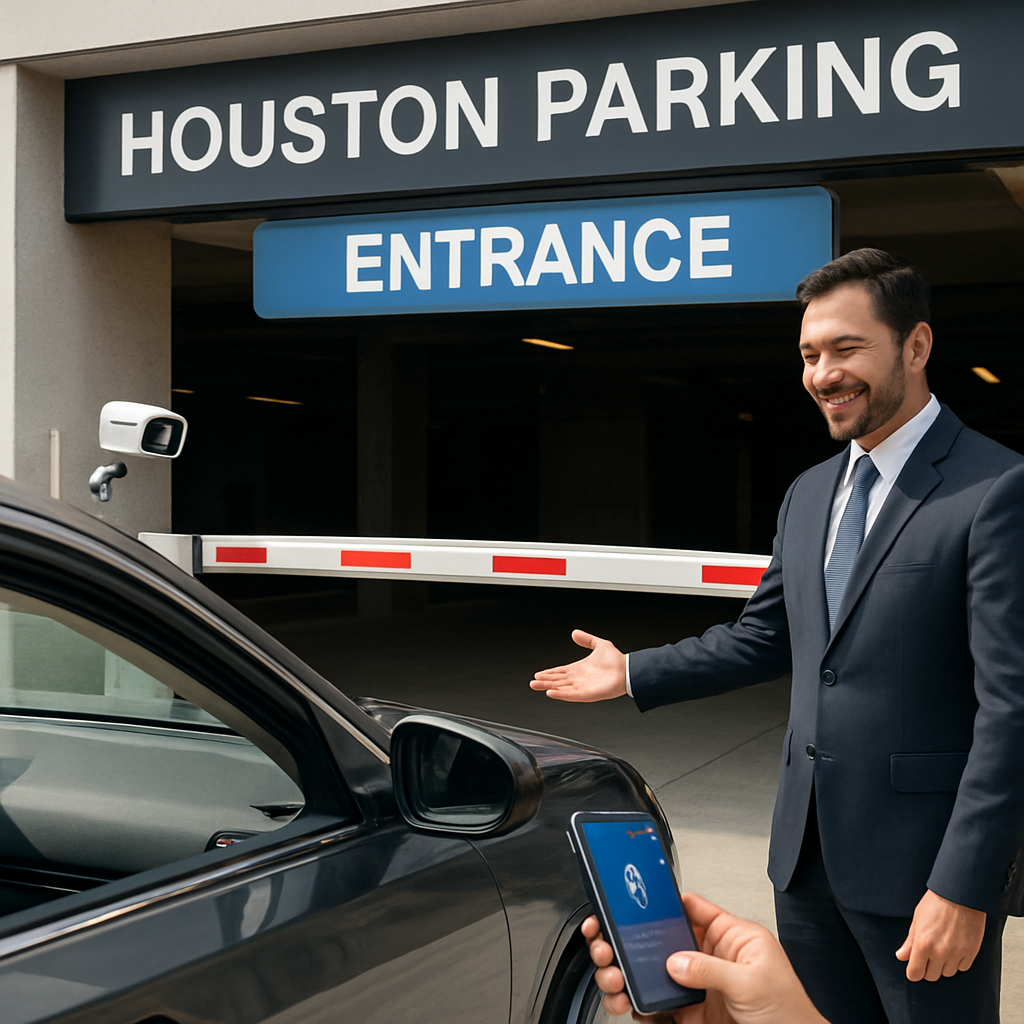
When we first rolled out a ticketless app for a boutique hotel near the Galleria, the front desk staff could see every car’s status in real time. Guests simply tapped their phone, the gate lifted, and they were on their way. The wait time at exit dropped from 45 seconds to under 10. That’s the power of automation: it removes the guesswork and lets you focus on the guest experience.
Why automation matters
Automated systems give you three things you can’t get with a manual gate and a clipboard: data, speed, and scalability. Real‑time occupancy dashboards let you spot a looming bottleneck before it becomes a line of angry drivers. Contactless payment options speed up the exit flow and reduce cash‑handling risk. And because the software can talk to your property‑management system, pricing can shift on the fly during peak events.
According to real‑time parking management software , operators who adopt integrated platforms see measurable revenue lifts and a smoother parker experience. The platform’s 24/7 visibility means you’re not just reacting—you’re proactively shaping traffic patterns.
Real‑world examples
Take a 200‑unit apartment complex in Midtown. Their old gate card system required residents to wait for a guard to swipe each card. We swapped it for an ANPR sensor paired with a mobile‑pay app. Cars now glide through, and the complex reported a 12% increase in lease renewals—residents love the hassle‑free mornings.
At a corporate conference center, an event planner dreaded the last‑minute surge of 300 cars. By deploying a temporary QR‑code pay‑on‑phone solution, attendees scanned a code at the entrance, paid instantly, and the venue could reassign spots in real time based on session flow. The organizer told us the event ran “like clockwork” and saved on staffing hours.
Actionable steps to get started
1️⃣Audit your current tech stack.List every touchpoint—gate barriers, ticket machines, payment processors, and any existing software. Note where data drops off.
2️⃣Pick an integrated platform.Look for a solution that offers LPR (license‑plate recognition), mobile pay, and an open API to sync with your PMS. Compatibility beats feature overload.
3️⃣Train your attendants.Even the smartest system needs a human eye. Run short workshops showing how to monitor the dashboard, troubleshoot a missed scan, and guide guests through the app.
4️⃣Set key performance indicators.Track average exit time, occupancy rate, and revenue per space. Review the numbers weekly and adjust pricing or signage accordingly.
5️⃣Iterate.Technology evolves fast. Schedule quarterly check‑ins to add new sensors, update the app UI, or test dynamic pricing during special events.
And remember, automation isn’t about replacing people—it’s about giving your staff the tools to be more attentive. When the system handles the routine, your attendants can focus on greeting guests, answering questions, and keeping the flow safe.
Imagine a future where a guest’s phone not only opens the gate but also nudges them with a friendly “Welcome back, Alex!” message as they pull in. That’s the kind of personalized, data‑driven experience that turns parking from a chore into a brand touchpoint.
Ready to let technology work for you? Let’s map out which apps and sensors fit your property’s needs and start turning every parking spot into a revenue‑boosting, guest‑delighting asset.
Best Practices for Ongoing Parking Management Optimization
We all know the feeling: you’ve just fine‑tuned a valet flow, only to watch a new bottleneck pop up a week later. That’s why optimization isn’t a one‑time tweak—it’s a habit.
1. Set up a real‑time pulse check
Start each day with a quick glance at occupancy dashboards. Look for spikes that don’t match your usual peak hours. If the numbers look odd, flag the lane or gate that’s under‑performing.
Pro tip: a simple “traffic‑heat” map on a tablet lets you spot trouble spots before drivers even notice them.
2. Leverage sensor data for frictionless flow
IoT and smart parking sensors give you instant vacancy info. When a stall empties, the system can push a green light to the nearest entry lane, nudging cars where space is actually available.
That tiny bit of data can shave seconds off each exit, which adds up to happier guests and higher turnover.
3. Make AI work for you, not against you
Generative AI algorithms can forecast demand based on historical trends, local events, or even weather. Use those predictions to adjust staffing levels or dynamic pricing a day in advance.
It feels futuristic, but the math is simple: if you know a conference will draw 300 extra cars, schedule two more attendants and set a modest premium for that evening.
4. Keep your staff in the loop
Technology is only as good as the people who act on it. Hold a 15‑minute “data‑huddle” before each shift. Walk through the dashboard, point out any anomalies, and ask attendants what they observed on the floor.
When attendants feel the data is theirs, they’ll spot issues faster and suggest practical tweaks.
5. Audit signage and wayfinding every quarter
Even the smartest sensors can’t fix confusing arrows. Walk the lot, test every digital sign, and make sure QR codes or BLE permits are readable from a driver’s seat.
If a sign is blurry or a beacon is dead, replace it before it becomes a cause of congestion.
6. Embrace a continuous improvement loop
Schedule a monthly performance review. Pull three key metrics: average exit time, revenue per space, and incident count. Compare them to the previous month and set one concrete goal for the next period.
Maybe you aim to cut exit time by another five seconds, or increase EV‑charging utilization by 10 %.
7. Stay ahead of regulatory changes
Houston’s fire‑lane rules and accessibility standards evolve. Keep a checklist of compliance items and run a quick audit whenever the city releases an update.
Being proactive protects you from fines and shows guests you care about safety.
8. Foster a culture of feedback
Put a short QR‑survey at the exit gate. Ask guests one question: “Did you find a spot quickly?” A simple yes/no gives you a pulse, and the occasional comment can spark a big idea.
When you act on that feedback, guests notice the improvement and feel heard.
By turning these eight habits into a weekly rhythm, your parking management services become a living system—always learning, always improving. The result? Smoother traffic, higher revenue, and a lot less stress for you and your team.
Ready to put these practices into action? Let’s chat about a free consultation and see how we can fine‑tune your parking operation together.
Frequently Asked Questions
What exactly are parking management services and why do they matter for my property?
In plain terms, parking management services cover everything that keeps cars moving smoothly – from staffing attendants and designing traffic flow to installing ticket‑less tech and handling compliance. When you let a specialist handle it, you free up your team to focus on core duties while guests enjoy a hassle‑free arrival and departure. The result is higher satisfaction scores, extra revenue per space, and fewer liability headaches.
How does outsourcing parking differ from trying to run it in‑house?
Running parking yourself means you’re responsible for hiring, training, insurance, and staying on top of city codes – all while juggling day‑to‑day operations. An outsourced provider brings a fully insured staff, proven safety protocols, and a tech platform that already talks to your property‑management system. That means less paperwork, faster issue resolution, and the confidence that a dedicated team is watching the lot 24/7.
What should I look for in a valet partner in Houston?
First, make sure they employ vetted, background‑checked attendants who know Houston’s fire‑lane rules and ADA requirements. Next, check that they use a ticket‑less mobile app or license‑plate reader – it cuts wait times dramatically. Finally, confirm they carry comprehensive liability coverage and can provide a clear audit trail. A partner that checks these boxes will keep guests safe, happy, and coming back.
How can ticketless parking improve exit times for my guests?
Ticketless systems let drivers tap a phone, key‑card, or QR code instead of fumbling for paper tickets. The gate lifts instantly, shaving seconds off every exit. Over a busy weekend that adds up to minutes saved per vehicle, which translates to higher turnover and more revenue. Plus, the digital logs give you real‑time data on occupancy, so you can adjust staffing on the fly.
How often should I review performance metrics for my parking operation?
We recommend a monthly performance review. Pull three core numbers – average exit time, revenue per space, and incident count – and compare them to the previous month. Spot trends, set one concrete goal (like cutting exit time by five seconds), and adjust staffing or signage accordingly. A quick 15‑minute “data huddle” with your attendants keeps everyone aligned and the system improving.
What are the common regulatory pitfalls in Houston and how can a provider help?
Houston updates its fire‑lane widths, signage standards, and accessibility requirements fairly often. Missing a change can mean fines or even a shutdown. A seasoned parking manager stays on top of city bulletins, runs quarterly compliance audits, and updates lane markings before an inspector arrives. That proactive approach protects your bottom line and shows guests you take safety seriously.
How do I get started with a free consultation for parking management services?
Just reach out through the contact form on our website or give us a call. We’ll schedule a no‑obligation site walk‑through, discuss your peak‑hour challenges, and sketch out a tailored plan – from valet staffing to ticket‑less technology. After the visit you’ll have a clear roadmap and a quote, so you can decide whether to move forward with confidence.
Conclusion and Next Steps
We’ve walked through how the right parking management services can turn a chaotic lot into a smooth‑flowing welcome mat for guests.
Think about the last time you waited at a valet line that seemed to never end. Does that memory still sting? That’s exactly the friction we aim to erase for property managers, event planners, and hotel owners.
In our experience, a simple 15‑minute data huddle each week, paired with ticketless technology and trained attendants, cuts exit times by seconds that add up to happier customers and extra revenue.
So, what’s the next step? Grab a free, no‑obligation consultation. We’ll swing by, map your traffic flow, and sketch a plan that fits your budget and brand.
During that walk‑through you’ll walk away with a clear list of actions—whether it’s adding a one‑way loop, updating signage, or launching a mobile‑pay valet system.
Ready to stop guessing and start delivering a flawless parking experience? Reach out today, and let us show you how professional parking solutions can boost guest satisfaction, increase revenue per space, and keep liability in check.
Just hit the contact button on our site or give us a quick call. In just a few minutes we’ll set up a time that works for you, run a brief audit, and deliver a roadmap you can act on right away.

Comments