Valet Parking Services: A Comprehensive Guide for 2026
- aavaletparkingsolu
- Feb 5
- 13 min read

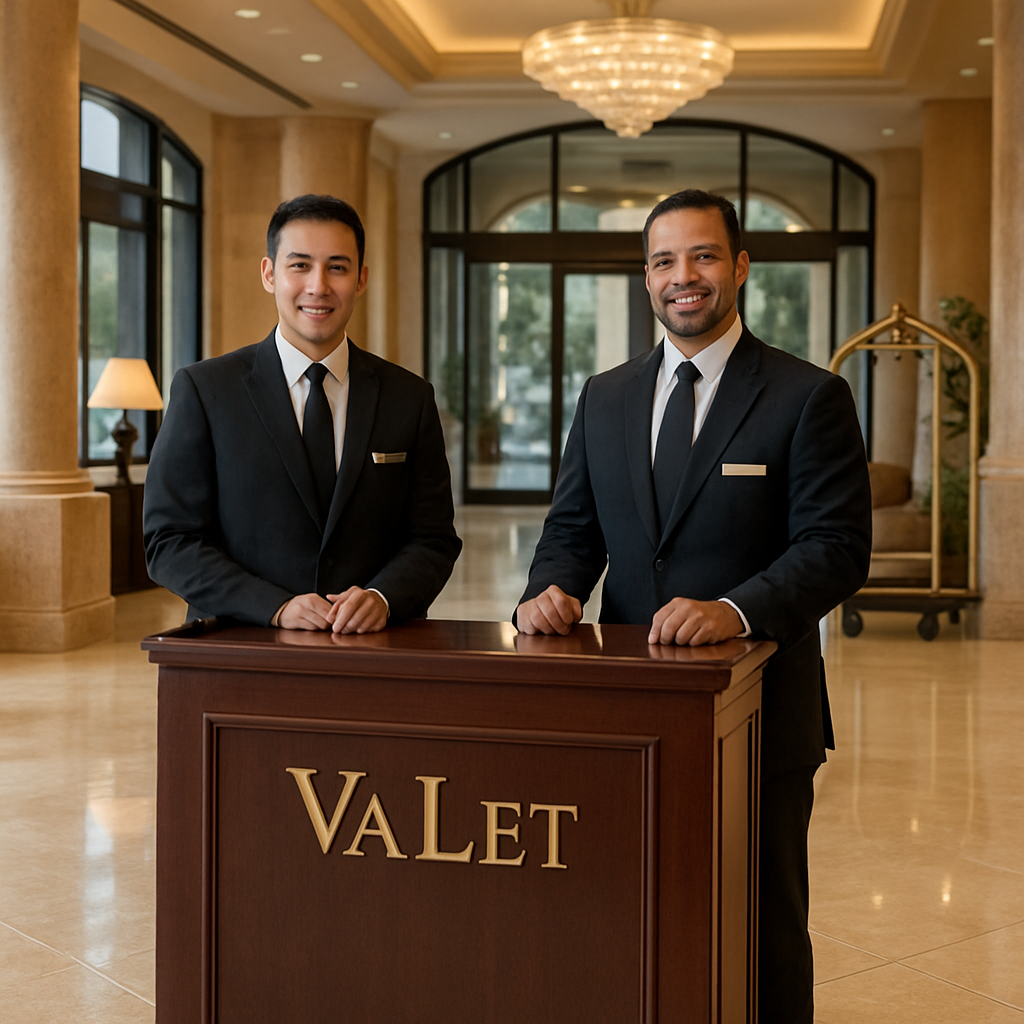
Picture this: you pull into a bustling downtown street, the parking lot feels like a maze, and you wish you could just hand over your keys and relax.
That’s the reality for many property managers, event planners, and restaurant owners in Houston. We’ve seen it—drivers stuck in a parking frenzy, guests frustrated, and business owners scrambling for solutions.
Ever wondered why valet parking feels like the secret sauce that turns an ordinary arrival into a memorable welcome?
We’ll show you why, from the inside of a Houston valet operation, and how a smart valet strategy can boost guest satisfaction, free up your staff, and even shave costs.
First, think about the front desk of a hotel. A single valet team can pick up and drop off dozens of rooms a night, letting guests skip lines and the hotel staff focus on room prep.
For apartment complexes, a valet service reduces curbside traffic, eases congestion during move‑in weekends, and gives residents a premium feel. We’ve seen managers report fewer parking disputes and happier tenants after adding a dedicated valet crew.
Event planners, especially for corporate galas or weddings, rely on valet to keep guests arriving smoothly and on time. A well‑executed valet routine ensures no one’s late or stuck on a sidewalk, and the whole event feels polished.
So what’s the key takeaway? The right valet team works as a silent partner—handling logistics, safety, and guest experience, so you can focus on what you do best.
Ready to test out a valet pilot for a week? Pick a high‑traffic day, observe the flow, gather quick feedback, and see how many fewer complaints you get. That’s the kind of data that turns a guess into a proven strategy.
TL;DR
Valet parking services streamline arrivals, reduce congestion, and boost guest satisfaction—making every entrance feel premium, especially during peak hours and for high‑profile events. By integrating a dedicated, safety‑first crew, you free staff for core tasks and cut operational costs, turning parking into a seamless, revenue‑enhancing experience that drives guest loyalty.
Step 1: Building a Solid Foundation
Ever wonder why some parking lots feel like a well‑orchestrated dance while others are chaotic traffic jams? It all starts with the right foundation. Think of your valet operation as a house: you need a solid floor before you can hang pictures or add furniture. For a valet service, that floor is the process, the people, the equipment, and the safety net that keeps everything running smoothly.
First off, let’s talk process. A clear, documented Standard Operating Procedure (SOP) is your playbook. It spells out everything from how to greet a guest, to how to tag a key, to how to handle a vehicle that needs extra care. A good SOP reduces mistakes, speeds up training, and keeps your crew on the same page. The industry‑wide SOP for valet parking is a great reference if you’re drafting your own—just make sure it fits the size and vibe of your venue (see the standard procedure) .
1. Map the Flow
Start with a floor plan. Sketch where cars will pull in, where attendants stand, and where vehicles will be parked. Identify choke points—like a narrow entry or a steep hill—and plan alternative routes. If you’re managing an apartment complex, place the podium near the main entrance so residents can drop off keys without wandering a block. For a hotel lobby, position attendants within arm’s reach of the check‑in desk. The goal is zero confusion for the driver and zero wasted time for you.
Tip: Test the walk
Walk the path as a driver would. Notice if someone has to turn around or if a vehicle’s front bumper is too close to a pillar. Small tweaks—like a raised curb or a directional sign—can save you minutes on busy nights.
2. Recruit the Right Team
Valet isn’t just about lugging cars; it’s about customer service. Your attendants should be friendly, confident, and quick on their feet. In Houston, many property managers pair valet with concierge staff for a seamless front‑door experience. Give your crew a quick crash course on safety: proper lifting, vehicle handling, and emergency procedures.
Don’t forget the soft skills: a quick smile, a polite “How can I help?” and a genuine interest in the guest’s day. These small touches turn a simple drop‑off into a memorable welcome.
3. Equip for Success
Think of your equipment as tools in a toolbox. You need a sturdy podium, key management system, signs, cones, and a ticketing method. The right podium keeps keys organized and prevents loss—something every hotel manager knows is a nightmare. For a starter kit, the SD2K blog outlines the best bundles for beginners (see equipment guide) .
Don’t overlook the small comforts: umbrellas for rainy days, a padded stool for the attendants, and a power station for charging mobile devices. These details speak volumes about your professionalism.
4. Safety First
Safety isn’t an afterthought; it’s the cornerstone of every valet operation. Establish clear parking zones, use bright signage, and enforce speed limits in the lot. Train your crew on proper hand signals and parking techniques. A quick safety briefing before each shift keeps everyone on the same page and reduces accidents.
Remember, the last thing you want is a ticket from the local police for a collision caused by a careless attendant.
Now that you’ve seen a quick visual walkthrough of a professional valet station, let’s bring the theory back into practice.
Step 2: Hiring and Training a Professional Team
When you’re setting up a valet operation, the crew is your first line of brand experience. A friendly attendant who knows the lot’s quirks is worth more than a fancy podium.
First, focus on the hiring funnel. Start by writing a clear job description that lists core skills: strong customer‑service instinct, a clean driving record, and the ability to handle a briefcase as well as a sedan. Don’t just look for people who can lift; look for those who can lift both spirits and vehicles.
Choosing the Right People
Screen candidates with a two‑step test. Step one is a résumé review that flags driving history and references. Step two is a practical assessment: give them a mock key‑tagging exercise and watch how they prioritize and communicate. A simple, timed drill can reveal how calmly they react under pressure.
Ask situational questions like, “What would you do if a guest’s car has a dent you can’t fix on the spot?” Their answer tells you how they balance safety, honesty, and customer satisfaction.
Building a Training Playbook
Once you’ve got the people, it’s time for training. Your playbook should cover three pillars: safety, service, and systems.
Safety.Use the Valet safety protocols as a checklist. Teach high‑visibility vests, proper hand signals, and defensive driving drills. Make the “stop, look, think” mantra a daily ritual.
Service.Role‑play scenarios: a first‑time guest, a VIP, a frustrated driver. Emphasize greetings that feel personal, not scripted. A quick “How can I help you today?” goes a long way.
Systems.Walk them through your key‑management system, ticketing method, and any software you use. Turn each step into a story: “Picture yourself as a key‑guardian who keeps a treasure map.”
After the initial training, schedule weekly refresher sessions. Rotate responsibilities so attendants get exposure to both curbside and lobby duties. This cross‑training builds confidence and keeps the team versatile.
Managing Risk from Day One
Insurance and documentation protect you and the clients you serve. The risk‑management guide recommends three key steps: thorough background checks, a strict cash‑handling policy, and a standardized vehicle‑condition form. By keeping a record of every car’s status at drop‑off and pick‑up, you can avoid disputes and build trust.
In practice, a quick “pre‑park” inspection is enough: a few seconds to note scratches, a light check of mirrors, and a nod to the guest that their car is safe. The documentation you record can be shared with the property manager or hotel front desk—an extra layer of transparency.
Performance Metrics and Feedback Loops
Track key metrics: average pick‑up time, customer satisfaction scores, and incident reports. Use a simple dashboard or spreadsheet—nothing fancy, just something you can glance at at the end of each shift.
Hold a brief post‑shift debrief: What went well? What slipped? What can we do better tomorrow? This continuous improvement loop turns a rookie crew into a seasoned, professional team.
Finally, remember that training is an ongoing conversation, not a one‑time event. The best valet teams are those that evolve with guest expectations, technology, and the local landscape. Keep the dialogue open, keep the standards high, and watch your service turn first impressions into lasting loyalty.
Step 3: Implementing Pricing and Client Communication
Let’s cut through the noise. You’ve built a solid crew, mapped the lot, and now you’re wondering, “How do I price without losing money or alienating guests?” The answer starts with a clear value map. Think of pricing as the handshake between you and the client—firm, but friendly.
1. Know Your Cost Base
First, run the numbers. Labor is the biggest line item, but don’t forget uniforms, podium upkeep, insurance, and the occasional ticketless tech subscription. In Houston, average hourly labor costs sit around $22 in 2026, plus a 12% tax overlay. Multiply that by your expected shift hours, add overhead, and you have a floor price. Anything below that and you’re eating profit.
Real‑world example: a 4‑hour shift for a hotel valet crew
Three attendants at $22/hour = $264. Add $20 for podium maintenance, $10 for insurance, and you’re at $294. Round to $300 for simplicity. That’s the baseline. From there, you build your tiers.
2. Create Tiered Pricing That Matches Client Needs
Tiering keeps your offers flexible and lets clients pick what fits their budget and event scale. Consider three levels: Basic, Premium, and Concierge.
Basic– flat fee per vehicle, 15‑minute maximum stay, no ticketless option.
Premium– hourly rate capped at 2 hours, includes ticketless check‑in, and a 5% discount for recurring guests.
Concierge– full-service package with valet escort to the room or table, 24‑hour response window, and priority for VIPs.
When you’re pitching to a property manager, highlight how the Premium tier can cut curbside wait times by 30% during peak check‑in. For an event planner, emphasize the Concierge level’s ability to keep guests on schedule during a multi‑hour gala.
3. Communicate Pricing Transparently
Clients love clarity. A pricing sheet that’s a single page PDF, plus a short “FAQ” note in your welcome packet, goes a long way. Use plain language: “You’ll be billed a flat $12 for each drop‑off during the event. No hidden fees.” If you offer ticketless valet, explain that the guest will receive a QR code on their receipt that instantly opens a digital ticket—no paper, no fuss.
Remember to set expectations early. During the pre‑booking call, ask the client: “What’s your budget range? Are you comfortable with a flat fee or prefer hourly billing?” The more you tailor, the smoother the billing cycle.
4. Use a Dashboard to Keep Tabs (Optional)
If you’re a hotel or large residential building, investing in a small dashboard can save time. You can track ticket counts, average wait time, and tip totals—data that feeds back into pricing decisions. While you can do this in a spreadsheet, a dedicated tool helps you spot trends faster.
5. Review and Iterate
After every event or month, sit down with your crew and review the numbers. Ask: Did the Premium tier undercut the Basic? Did the Concierge level bring enough revenue to cover the extra staff hour? If not, tweak the rates or add a new tier. The goal is a living pricing model that grows with your business.
And here’s a quick sanity check: if you’re charging $12 per vehicle for a 5‑hour event and expecting 50 cars, your gross revenue is $600. Subtract the $300 baseline cost and you’re left with $300 before taxes—enough to cover a tip pool and a little cushion. If that feels tight, bump the flat fee to $13 or add a small surcharge for late arrivals.
Finally, remember that your clients are also partners. Offer them a small discount for early payment or a loyalty program for recurring events. This turns a one‑time transaction into a long‑term relationship.
Want a deeper dive into how to set up ticketless technology and keep your pricing tight? How to Use a Free SEO Content Generator to Boost Your Rankings covers tools that help you refine messaging and drive more bookings.
For residential complexes looking to bundle services, check out our Residential Valet Parking Services in Houston page to see how a structured pricing model can elevate resident satisfaction.
Step 4: Staying Competitive with Market Insights
Let’s face it: the parking game isn’t just about moving cars. It’s about staying ahead of trends, tech, and the expectations of the people you serve.
Know the pulse of the market
In 2026 the valet market is shifting toward premium, tech‑savvy services. A recent analysis shows a jump in demand for AI‑powered parking and contactless check‑in. It means that if you’re still using paper tickets and a manual ticket‑scan system, you’re already a step behind. LinkedIn’s comprehensive market review outlines how urbanization and affluent segments are driving this change.
The AI‑parking report from Yahoo Finance also notes a projected CAGR of 23 % for autonomous systems, underscoring the speed at which tech is reshaping the industry.
Turn data into advantage
One of the biggest lessons from the AI‑parking report is that predictive analytics can cut wait times by 20‑30 %. For example, a Houston boutique hotel used a sensor‑driven system to predict peak arrival windows and re‑route attendants in real time. The result? A 25 % reduction in guest wait times and a noticeable bump in satisfaction scores. The takeaway? Invest in a dashboard that shows real‑time occupancy and forecast peaks.
Keep an eye on the competition without copying
Competitive intelligence isn’t about spying; it’s about listening to the market. Start a monthly “parking trend” review where you scan industry news, tech blogs, and local regulations. When you spot a new contactless payment feature, ask your crew what they’d love to see. This keeps your service fresh without the risk of copying proprietary solutions.
Leverage partnerships for differentiation
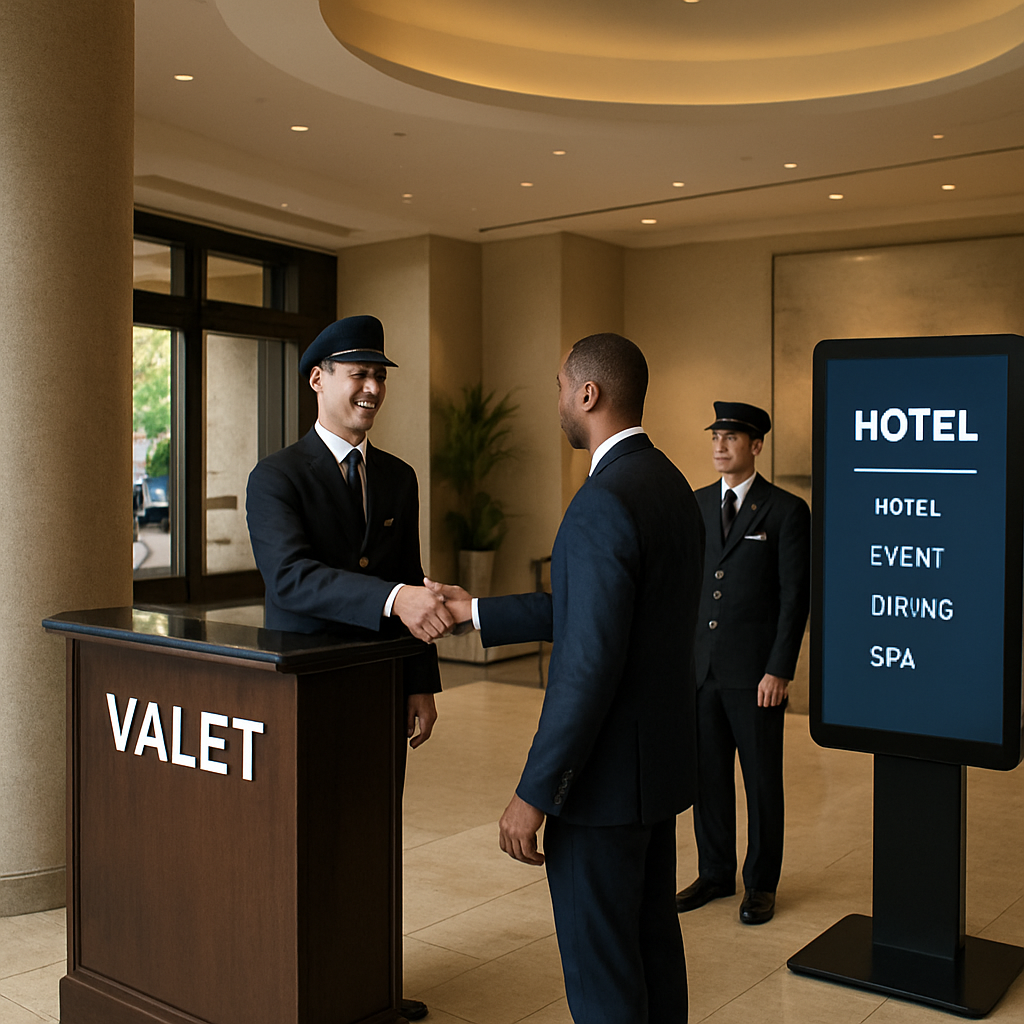
In a crowded market, your brand can stand out by partnering with nearby hotels, restaurants, or event venues. A joint promotion—like a “valet and dining” discount—creates a win‑win. It also gives you a steady stream of leads that are already primed for premium service.
Build a continuous feedback loop
Ask guests the same three questions after every event: How was the wait time? How did the attendant make you feel? What could we do better? Record the answers in a simple spreadsheet and review them weekly. Patterns will emerge—maybe attendants need a quick refresher on handling luxury cars, or maybe the parking layout needs tweaking.
Table: Quick Comparison of Insight Actions vs. Expected Impact
Action | Implementation Time | Expected Benefit |
Deploy AI‑driven occupancy sensors | 2‑4 weeks | Reduce wait time 25 % |
Introduce contactless ticketless check‑in | 1‑2 weeks | Increase guest satisfaction 15 % |
Monthly trend review & crew survey | Ongoing | Identify improvement areas 30 % faster |
By the end of the first quarter, you should see measurable gains in both speed and guest experience. The key is to keep the data flowing, stay curious about new tech, and always ask: how can this make our guests feel more welcome?
Let’s look at a concrete case. A downtown Houston wedding venue just rolled out a ticketless system and saw a 30 % drop in average wait time within the first month. The bride was thrilled, and the venue booked the next month’s event on the spot.
To replicate this, start by mapping peak hours, pilot a tech feature for one event, then gather data and feedback. If the metrics improve, scale across all events. This iterative approach keeps costs low and innovation high.
Remember, the goal isn’t just faster parking—it’s a touchpoint that shapes how guests remember your venue. A smooth, tech‑enabled arrival sets the tone for a memorable experience.
Conclusion
We’ve walked through the whole valet puzzle: from spotting congestion, to training a crew that feels like a concierge, to sprinkling a bit of tech so the lot feels future‑ready.
What you’re really after is the same thing every property manager, hotel owner, or event planner wants—a smooth first impression that turns a parking hiccup into a wow moment.
Start small. Pick one busy window, run a pilot, capture a handful of metrics—average pickup time, guest smiles, staff fatigue. Those numbers are the fuel for the next tweak. If the data shows a 20‑percent drop in wait time, that’s a win you can brag about to your stakeholders.
Think of your valet team as the frontline of hospitality. A friendly smile, a clear ticketless QR, and a quick safety refresher can add a layer of trust that keeps guests coming back.
So, what’s your next move? Map your peak slots, roll out a one‑day test, gather the data, and then scale what works. Keep the cycle short, the feedback honest, and the experience seamless. That’s the recipe for turning parking into a premium touchpoint, every single time.
And remember, consistency beats flash—keep refining and the satisfaction will stay high.
FAQ
What’s the first step if I want to add valet parking to my apartment complex?
Start by mapping the flow: sketch where cars will pull in, where attendants stand, and where vehicles will be parked. Identify choke points and test the walk as a driver would. Once the layout feels smooth, bring in a small pilot crew to handle a handful of units on a busy weekend. The data you collect—average pick‑up time, guest smiles—will guide the next tweak.
How can I ensure my valet staff stays safe while handling high‑volume traffic?
Safety isn’t an afterthought. Conduct a quick safety briefing before each shift, covering hand signals, proper lifting, and defensive driving. Equip attendants with high‑visibility vests and provide a clear parking zone map. In our experience, crews who practice a 5‑minute “pre‑shift walk” spot hazards before they become incidents.
What’s the most common complaint from guests about valet services, and how do I fix it?
Guests often cite long wait times or lost keys. Counter this by using a ticketless QR system that keeps track of every vehicle automatically. Train attendants to greet with a friendly, personalized “How can I help?” that shifts focus from the wait to the service. Small gestures—handing a key in a branded holder—create a sense of care.
How do I decide between a basic and a premium valet package for my hotel?
Look at your peak traffic windows. If the hotel sees a 30‑minute rush at check‑in, a premium tier that includes a ticketless QR and an escort to rooms can cut wait times by 25 %. For a boutique hotel, the premium offer also signals luxury, boosting guest perception of the entire stay.
Can valet parking really save money for a corporate client?
Yes, when the crew frees up front‑desk staff to focus on reservations or upsells. A 20‑percent reduction in curbside wait time translates to fewer customer complaints and higher satisfaction scores, which can drive repeat business. The cost of a trained crew is offset by the increased value guests place on a seamless arrival.
What metrics should I track to prove valet’s ROI?
Track average pick‑up time, customer satisfaction scores, and incident reports. Use a simple dashboard or spreadsheet to review these numbers weekly. If your average wait drops below the industry benchmark of 3 minutes, that’s a clear win you can share with stakeholders to justify expanding the service.


Comments